Find your next local plan
Diving
Clear local choices for your next underwater day
If you’re certified (or finishing your training) and wondering, “Where should I dive next?” you’re in the right place. Around here, diving isn’t one-size-fits-all—some days you want an easy local splash, some days you want a wreck and a little adrenaline, and sometimes you just need a dependable site plan that matches your comfort level, conditions, and goals.
At Scuba Network, we keep this page simple on purpose: we help you choose the type of local diving you’re after, understand what makes each option different, and move quickly to the next step—checking the Activity Schedule, reaching out via Contact, or getting ready with Rentals and Forms.
Explore
Pick the vibe for today
Choose your local dive style
Local diving gets a lot more fun when you pick the right match for your day. Here are the main ways most divers like to sort their options:
1) Easy local dives (skills, comfort, camera time) Perfect when you want to stay relaxed, work on buoyancy, dial in weighting, or just enjoy a low-stress underwater session. These dives shine for newer certified divers, students building confidence, and anyone who wants a “clean” dive without a lot of task loading.
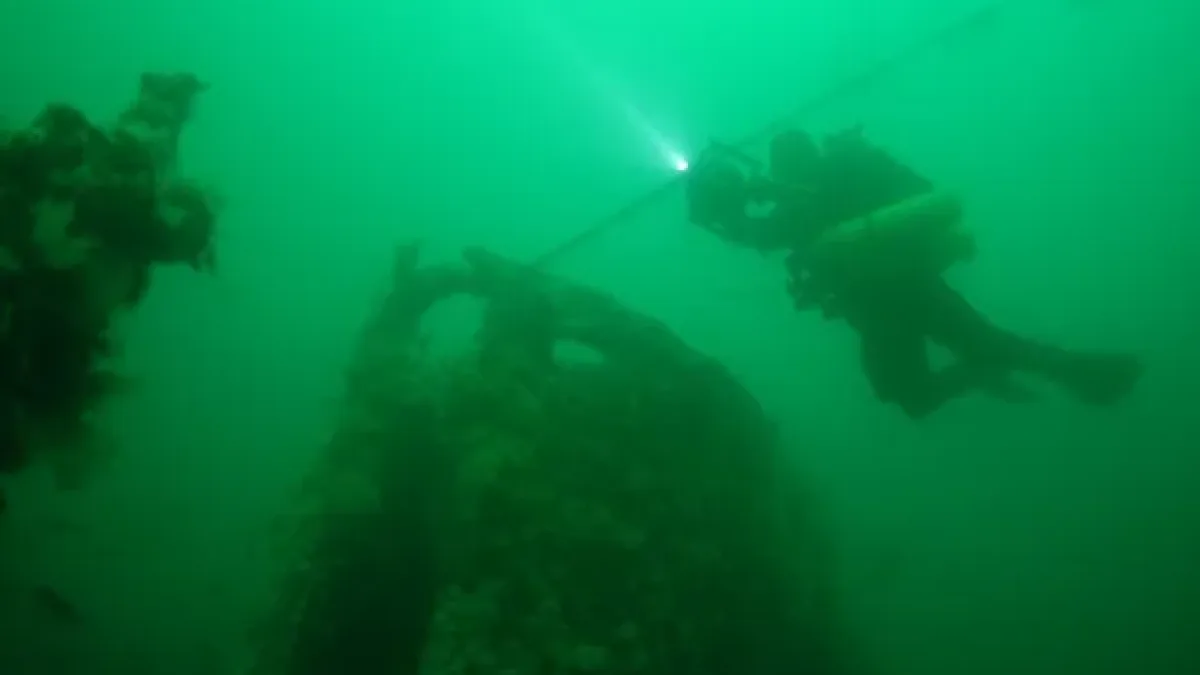
2) Wreck diving (structure, history, exploration) Wrecks turn every dive into a route-finding adventure. You get recognizable structure, nooks to investigate, and a built-in sense of progression as you explore from bow to stern (or section to section). If you like having a plan—entry point, route, exit point—wrecks are incredibly satisfying.
3) Specific dive sites (your personal greatest hits list) Some divers think in terms of favorite sites: the spot that always has life, the place with the best visibility on certain conditions, the location that’s just plain fun with a buddy. If you already know what you’re craving—reef, rubble, walls, structure, or a particular local landmark—this is your lane.
If you’re not sure which category fits, tell us what you want out of the dive—easy cruising, skill-building, photography, exploration, or checking a new site off your list—and we’ll help you narrow it down.
Local diving options: what to look for before you commit
A “good dive” usually comes down to matching the site and the day to you and your buddy team. When you’re deciding where to go locally, think in terms of a few practical questions:
What’s the goal for this dive? If your goal is practice, you’ll want a forgiving profile and a simple plan. If your goal is exploration, you may want a site that rewards navigation and offers multiple points of interest.
How much task loading do you want today? New gear, new buddy, new skill, new environment—each “new” adds effort. On days when you’re already juggling something new, choose a simpler site and give yourself room to enjoy it.
How comfortable are you with navigation and planning? Some sites are naturally straightforward. Others demand more deliberate navigation and situational awareness. The right choice is the one that leaves you feeling in control, not rushed.
Are you building experience or chasing variety? Both are valid. Repeating a familiar site is how you get smooth and confident; rotating through different sites is how you become adaptable. A good season includes both.
We’re happy to talk through these variables and help you pick a dive that fits your current skill set and what you want to get out of the water today.
Wreck diving options: how to approach wrecks with confidence
Wreck diving earns its popularity—there’s nothing like dropping onto a piece of history and having a real “route” to explore. The key is treating wrecks as a structured dive, not a freestyle wander.
A few mindset shifts that make wreck diving better:
Plan your route like a story. Start point, highlights, turnaround, exit. Even a simple outline makes the dive feel calm and purposeful.
Stay situationally aware. Wrecks can pull your attention. Keep checking your buddy, your position, and your pace so the dive stays smooth.
Keep your comfort margin. Wrecks will still be there next time. The best wreck dives are the ones where you come up thinking, “That was clean,” not “That was close.”
If you’re eager to get into wreck diving (or to do it more often), we can help you pick the right kind of wreck-focused outing for your experience level and your interests.
Dive site information: turn “Where should we go?” into a real plan
Once you’ve picked a general direction—local easy dive, wreck, or a specific site—the next step is turning it into a plan you can execute.
Here’s what most divers need to feel ready:
- A clear objective (skills, sightseeing, exploration)
- A buddy plan (roles, spacing, communications)
- A simple route concept (even if it’s “out-and-back”)
- Gear readiness (especially if you’re renting or changing setups)
If you like to keep things organized, we’re right there with you. If you prefer to keep it simple, we’ll keep it simple. Either way, you’ll have a clearer picture of what you’re doing before you hit the water.
Ready to dive? Here’s the next step
This page is your starting point—your next click depends on what you need.
- Check the Activity Schedule when you’re ready to choose a date and commit.
- Contact us if you want help selecting a local dive, a wreck-focused option, or a particular site.
- Rentals are the fastest way to make sure you have what you need for the dive you chose.
- Forms help you handle the paperwork side quickly so you can focus on the fun part.
Tell us what kind of dive you’re picturing, and we’ll help you turn it into a great day underwater.